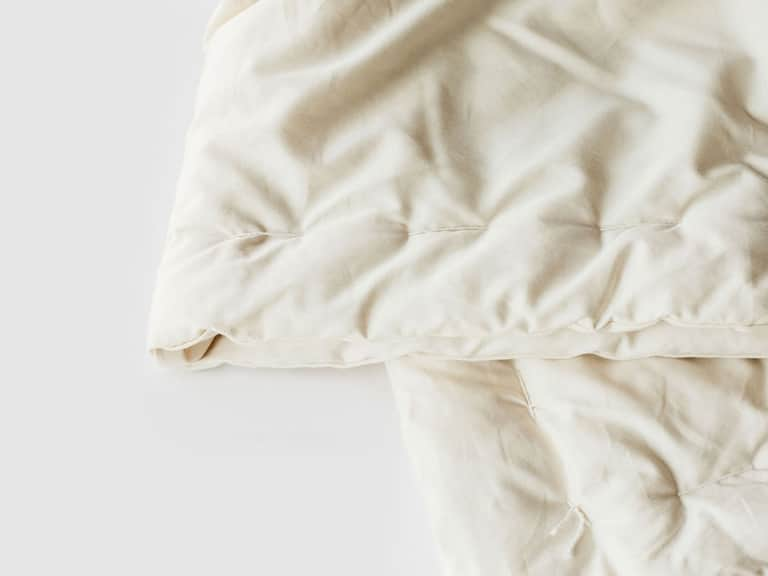
Wool comforters made from certified organic wool offer unique temperature regulation traits, helping to maintain a comfortable sleep environment across seasons. The natural fiber is breathable, moisture-wicking, and surprisingly durable, supporting long-term comfort without relying on synthetic fills. In addition, organic wool aligns with environmentally responsible bedding practices and health-conscious material choices.
Key characteristics of certified organic wool comforters include inherent flame resistance, hypoallergenic properties, and reduced chemical exposure, making them suitable for sensitive sleepers. The fibers gently trap air for insulation while allowing excess humidity to escape, contributing to a balanced sleep climate and reduced night-time heat buildup.
Functional benefits extend to allergy-friendly performance and sustainability. Wool comforters tend to resist dust mites and mold growth, thanks to natural fiber properties and careful processing standards. This category emphasizes materials sourced from certified organic farms, supporting responsible wool production and animal welfare considerations.
Common uses for certified organic wool comforters encompass year-round warmth with lightweight versatility, making them compatible with a variety of bedding setups such as duvet covers and layering systems. The natural resilience of wool helps maintain loft and shape over time, preserving comfort without frequent replacement.
Within this category, additional context includes related bedding components like organic mattresses and crib mattresses, which complement a holistic organic sleep environment. Meta keywords such as bedding, pillows, sheets, organic mattresses, and organic crib mattresses reflect the broader ecosystem of organic sleep products associated with certified organic wool comforters.
 Bedding