The Bedding Edit · Nursery Essentials
Choosing Naturepedic Crib Sheets: Fit, Fabric, and Care
A crib sheet is a small detail with a starring role in the nursery: it needs to fit securely, feel comfortable against delicate skin, and withstand the practical rhythm of frequent laundry. When evaluating Naturepedic crib sheets, start with the mattress measurements, then consider cotton weave, certification, construction, and care. The best choice is not simply the softest one on the shelf; it is the one that fits correctly and works beautifully in everyday use.
Begin with the mattress, not the pattern
Nursery shopping often starts with color: warm ivory, soft sage, a fine stripe, perhaps a print that lends the room a little personality. But for crib bedding, dimensions deserve attention before design. A sheet can look lovely folded in its packaging and still be the wrong fit for a particular mattress. The first step is to check the mattress’s stated length, width, and depth, then compare those measurements with the sheet’s specifications.
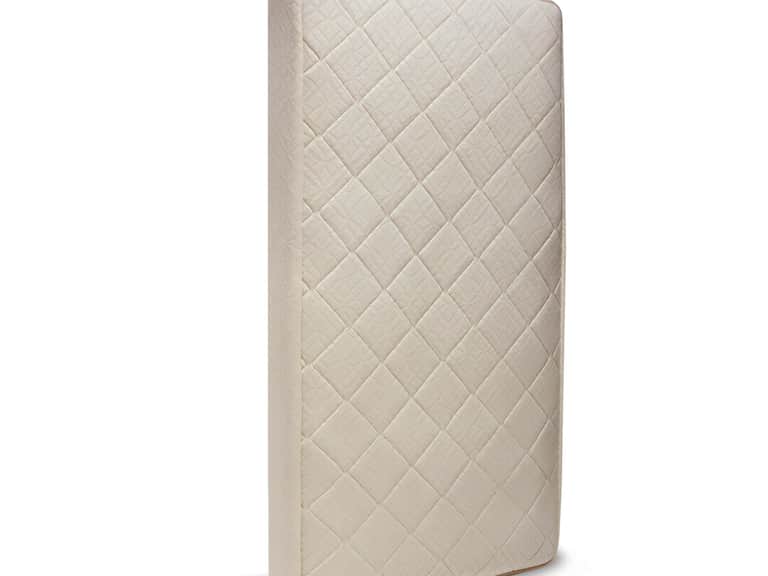
A Naturepedic organic sateen crib sheet is listed for a standard crib mattress at approximately 27.5 by 52 by 6 inches. The same product information gives separate measurements for oval sheets: approximately 27 by 47 by 3 inches for one version and 27.5 by 53.7 by 3 inches for another. These dimensions are not interchangeable. Before choosing a sheet, identify the mattress shape and version, and use the measurements for that exact combination rather than relying on labels such as “crib size” alone.
Mattresses can vary in thickness, and even a small difference may affect how a fitted sheet sits around the corners. If the mattress has a model number or product guide, consult it for the exact dimensions. Measure the mattress itself if details are unclear. A measuring tape and a few minutes of checking are more useful than guessing from a familiar nursery standard.
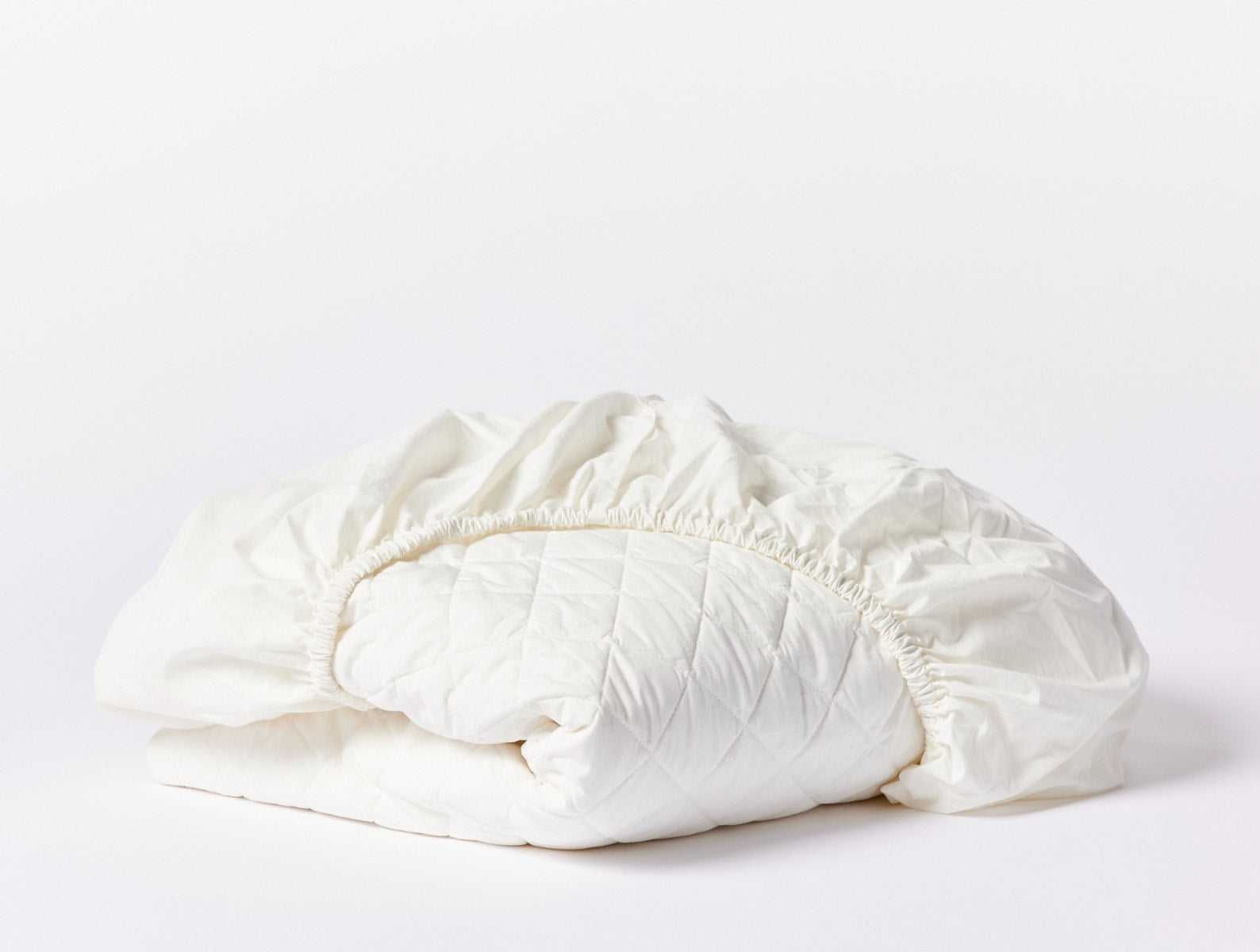
Once the sheet is on the mattress, inspect the fit all the way around. It should sit evenly, with the corners fully seated and the fabric held snugly against the mattress. The surface should not billow or shift when gently smoothed. Elastic around the perimeter helps keep a fitted sheet in place, but elastic alone cannot compensate for a mismatch in dimensions. Fit is a partnership between the sheet’s cut, the mattress profile, and the elastic construction.
Why a secure crib sheet matters
A properly sized fitted sheet is more than a polished finishing touch. In an infant sleep space, loose or poorly fitted bedding is not an aesthetic compromise; it is a reason to reassess the setup. Follow current safe-sleep guidance from your pediatrician and relevant public health authorities. In general, keep the sleep surface firm and flat, and use only a fitted sheet made for that mattress. Avoid adding loose blankets, pillows, toys, or other soft items to an infant’s sleep area.
This article is about choosing and caring for a sheet, not a substitute for individualized medical advice or official safe-sleep recommendations. If a sheet does not fit securely, comes loose, or appears stretched or damaged, do not try to make it work with improvised clips, extra layers, or a different mattress pad. Check the manufacturer’s instructions and replace items that no longer fit as intended.
It is also worth checking the full bedding combination. A mattress protector or pad can alter the mattress’s surface dimensions and effective depth. If one is part of the setup, confirm that the fitted sheet is compatible with the mattress and the intended approved accessory. Avoid stacking layers simply to create a softer feel. In a crib, a neat, secure surface is preferable to a complicated arrangement of extra textiles.
Cotton sateen: smooth, softly luminous, and practical
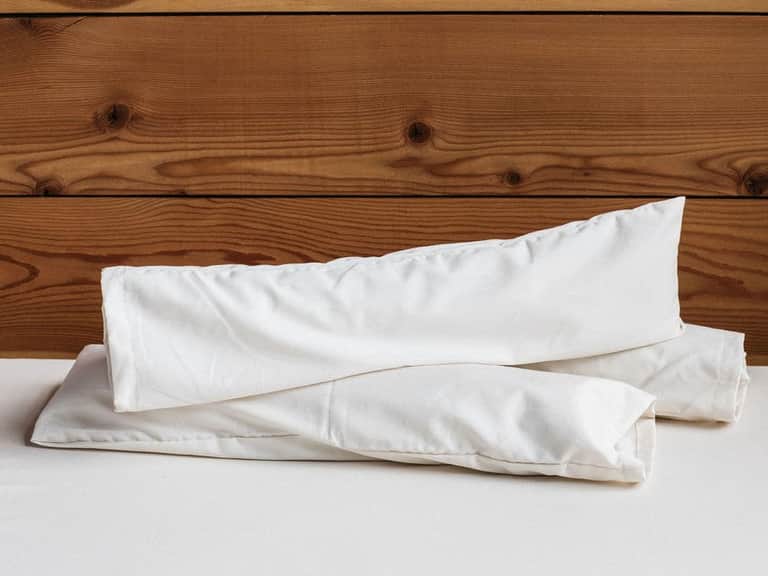
Naturepedic’s organic sateen crib sheet is described as 100% GOTS-certified organic cotton with a 300 thread count. Sateen is a cotton weave, not a separate fiber. Its construction gives the fabric a smoother hand and a subtle sheen compared with the crisp, matte character commonly associated with percale. That difference is tactile as much as visual: sateen tends to feel supple and polished, while percale is often chosen for its airy, freshly laundered crispness.
Neither weave is automatically the right choice for every family. Touch, room temperature, laundry habits, and personal preference all matter. A smooth sateen surface may appeal to someone looking for a softer feel, while a lighter, crisper weave may suit those who prefer a more relaxed texture. The useful question is not which fabric is universally best, but which fabric’s hand and care routine are a sensible fit for your household.
Thread count is one detail, not a complete measure of quality. It tells only part of the story and should be read alongside fiber content, weave, construction, and the clarity of the product’s material disclosures. For a crib sheet, practical features such as accurate dimensions, dependable elastic, durable seams, and straightforward washing instructions are at least as important as a number on a label.
“Organic” also describes a sourcing and production claim, not a promise that a textile will feel a particular way or suit every skin type. If a product carries a certification, check which material or stage of production the certification applies to, and look for information identifying the standard and certifying organization. This is especially helpful when comparing items whose descriptions use broad phrases such as “natural,” “eco-friendly,” or “chemical-free” without explaining what those phrases mean.
Reading certification claims with a clear eye
Certification language can make a bedding label feel like a miniature technical manual. A thoughtful shopper does not need to memorize every standard, but it helps to distinguish a specific third-party certification from a general marketing description. GOTS, or the Global Organic Textile Standard, is a recognized standard for organic textiles. When a product states that its cotton is GOTS certified, the next step is to read the product details carefully and confirm exactly what is certified.
Look for precise wording on the item’s materials and construction. Does the claim refer to the cotton fiber, the finished textile, or a certified facility? Is the certification named directly? Are there details about where the sheet is made or how it is cared for? Clear, specific information is more useful than a collection of reassuring adjectives. Certification can provide a framework for evaluating claims, but it does not replace the everyday checks of fit, condition, and appropriate use.
Parents may also encounter claims related to dyes, finishes, or other product attributes. Treat each statement on its own terms. A certification for organic textile processing is not automatically proof of every possible safety or performance claim, and a phrase such as “gentle” is not a guarantee that a child will never react to a material. If a baby has known sensitivities or a medical concern, ask a healthcare professional for advice and contact the manufacturer for product-specific information.
Thoughtful transparency has a quiet elegance: a clear fiber breakdown, an identifiable standard, a realistic care label, and dimensions that can be checked. These details help turn a purchase into an informed choice without asking any one product to do more than it can.
A fit checklist before the first wash
Before laundering a new crib sheet, take a moment to verify the details. It is a simple ritual that can prevent an avoidable mismatch and make the first bedding change feel more considered.
- Confirm the mattress type. Determine whether it is standard rectangular or oval, and check the specific model or version.
- Compare all dimensions. Match length, width, and depth—not just the broad “crib sheet” description.
- Inspect the elastic edge. Make sure the fitted design can sit securely around the mattress without strain or excess fabric.
- Read the full material description. Note the fiber, weave, and any certification claims rather than relying on a headline alone.
- Check the care label. Confirm that the recommended wash and drying routine is realistic for your household.
- Recheck after laundering. Once clean and fully dry, fit the sheet to the mattress again and examine every corner.
For a standard Naturepedic sateen crib sheet, the listed dimensions are approximately 27.5 by 52 by 6 inches, with different measurements for the oval options. Use those figures as a starting point, then verify them against the exact product and mattress you have. Product specifications can change, so the current label or manufacturer listing should take precedence if it differs from a description elsewhere.
Care that keeps the fabric feeling good
Crib sheets are among the most frequently washed textiles in a nursery. Spit-up, dribbles, and the ordinary business of daily life make easy care more than a convenience. Naturepedic’s organic sateen crib sheet is described as machine washable and dryer-friendly. For the exact temperature, cycle, and drying method, follow the care label supplied with the sheet; that label is the best authority for the specific product in your hands.
In broad terms, washing with a mild detergent and avoiding unnecessary heat can help cotton textiles retain their hand and shape. If the care instructions allow, a gentler cycle can reduce wear from vigorous agitation. Remove the sheet promptly after drying to limit creasing, and make sure it is completely dry before placing it back on the mattress. Do not use bleach or specialty treatments unless the manufacturer’s instructions explicitly permit them.
Keep laundering practical. A sheet does not need an elaborate ritual to be well cared for, but it does benefit from consistent attention to the label. Strong detergents, repeated high-heat drying, and aggressive stain treatments may affect color, fiber, or elastic over time. If a mark remains, check the product’s guidance before reaching for a harsher solution. For a family managing sensitivities, consider discussing detergent choices with a healthcare professional rather than assuming that any particular formula is suitable for every baby.
Having a spare fitted sheet can make laundry days easier, particularly when a quick change is needed. Keep the spare clean and dry, and inspect both sheets periodically for thinning fabric, damaged seams, or weakened elastic. A textile that once fit beautifully may eventually lose its shape through frequent washing. Replace it if it no longer fits securely or shows signs of deterioration.
Comfort is a collection of small decisions
Nursery design often celebrates the visible: a restrained palette, a graceful mobile outside the sleep space, a carefully chosen lamp. A crib sheet belongs to a quieter category of design, where good decisions reveal themselves through use. The weave feels pleasant in the hand. The corners remain tidy. The wash instructions are simple enough to follow on an ordinary weekday. Nothing looks overworked; everything has a purpose.
For a family drawn to natural fibers, organic cotton may be appealing for its material story and familiar feel. For a family prioritizing quick laundry, machine washability and a dryer-compatible care routine may matter most. For a nursery with a particular mattress shape, precise sizing will lead the decision. The order of priorities can change, but fit should stay near the top.
It is easy to let “premium,” “organic,” or a high thread count stand in for a careful evaluation. Resist that shortcut. A beautifully made sheet must still match the mattress. A well-named certification must still be understood in context. And an attractive weave must still work for the household’s laundering routine. These are not fussy distinctions; they are the practical foundations of choosing bedding well.
Frequently asked questions
How do I know whether a crib sheet fits?
Compare the sheet’s stated length, width, and depth with the exact mattress dimensions. After fitting it, check that the corners are fully seated and that the fabric lies snugly without excess material. If it shifts, loosens, or cannot be secured as intended, stop using it and confirm compatibility with the manufacturer.
What is the difference between cotton sateen and percale?
Both are cotton fabrics, but their weaves create different surface qualities. Sateen generally feels smoother and may have a gentle sheen; percale is often crisper and more matte. Neither name alone tells you whether a sheet is a good fit for a particular mattress or household. Consider the fabric details, construction, and care instructions together.
Does organic cotton mean a sheet is automatically right for every baby?
No single material claim can guarantee an individual response. Organic sourcing and textile certification provide information about standards and production, while fit, construction, care, and personal sensitivities remain separate considerations. If you have a medical concern, seek advice from a qualified healthcare professional.
Can I add a blanket or pillow to make the crib more comfortable?
Follow current safe-sleep guidance and your pediatrician’s advice. Do not add loose bedding or soft items to an infant’s sleep space unless a qualified professional or applicable guidance specifically indicates otherwise. The fitted sheet should be designed for the mattress and used as directed.
How often should I replace a crib sheet?
There is no universal timetable. Inspect the sheet regularly and replace it if elastic weakens, seams open, fabric thins, or it no longer fits securely. Frequent laundering makes these checks especially worthwhile.
The final edit
Choosing a Naturepedic crib sheet is a matter of balancing clean design with careful attention to detail. Start with the mattress measurements. Confirm a snug fitted-sheet construction and the correct shape. Consider whether the smooth feel of cotton sateen suits your preferences, and read the fiber and certification information rather than relying on broad claims. Then follow the care label, check the fit after washing, and replace the sheet if it loses its secure hold.
In the nursery, the most successful essentials rarely announce themselves. They are comfortable, thoughtfully made, easy to maintain, and exactly right for the space they serve. A crib sheet that meets those standards brings a little order to the everyday—and that, in its own understated way, is a form of luxury.